Nioh 3 © KOEI TECMO GAMES, captured by GaminSapiens
Game vs History真実と虚構 · The Verdict
Watch this chapter (33:01)So what did Team Ninja get right, and what did they invent?
Ieyasu's men fought outnumbered more than two to one, at dusk, in midwinter cold, and quite possibly in snow.
Nioh has always used its yokai as a stand-in for the century itself. The killing, the betrayals and the burning cities were Japan's real monsters, and these games let you fight them with a sword.
Japan keeps coming back to the Sengoku period in its games, anime and television, the way China keeps coming back to the Three Kingdoms. Both eras are full of outsized people and sudden reversals, and both keep asking who deserves power, what loyalty is worth, and how anything lasting gets built after a war.
Nioh 3 adds something by moving between eras. It goes from Edo in 1622 to the Sengoku in 1572, then to the Heian period, to the ancient kingdom of Yamatai and to the Bakumatsu in 1864. Seen that way, the Sengoku chapter is one link in a longer chain, and a bad afternoon at Mikatagahara in 1573 still matters to a young heir in Edo Castle fifty years later.
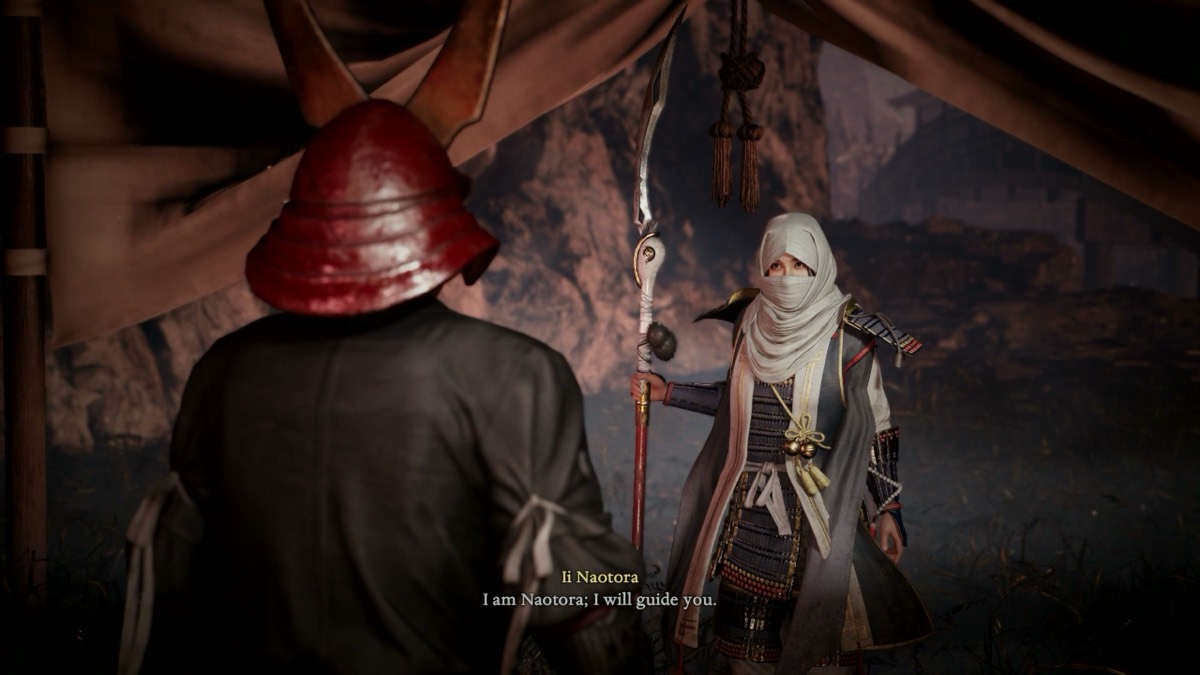
I think Team Ninja did right by the period. They used real people in the right places and built their own story on top of the record. Shingen, Tadakatsu, Hanzō, Naotora and Fuku all lived, and their real lives turned out stranger than a lot of the fiction.