Ii Naotora and her guardian spirit in Nioh 3. Nioh 3 © KOEI TECMO GAMES, captured by GaminSapiens
The Women of the Sengoku Chapter女たち · Naotora and Fuku
Watch this chapter (28:58)Nioh 3 gives two women big roles in the Sengoku chapter: Ii Naotora, a commander under Ieyasu, and Saitō Fuku, Takechiyo's wet nurse, whom we met in the succession story.
Ii Naotora 井伊直虎
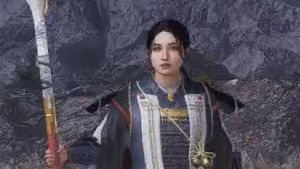
In the game, Ii Naotora 井伊直虎 leads you into the Crucible over Hamamatsu, sees that Takechiyo can cleanse it, hands you the Guiding Mirror and explains Crucinite, the corrupting stuff behind the whole chapter. Her two myths, "Fated Land" and "Ii's Memento", take you to her home ground, including Ryōtan-ji, the Ii family temple.
The real Naotora is one of a handful of women said to have led a samurai house in the Sengoku period. Her family, the Ii, held Iinoya 井伊谷, a valley in what's now the north of Hamamatsu, under the Imagawa. Her father, Ii Naomori, was killed at Okehazama in 1560. The next heir, her father's cousin Ii Naochika, was accused of treason and killed on Imagawa orders at the start of 1563. That left Naochika's infant son, and from around 1565 she ran the family's affairs under the name Jirō Hōshi. Jirō was the name of the Ii heir, and hōshi means a monk.
The name Naotora appears in exactly one document, from 1568. Most of her story comes from an Ii family chronicle written in 1730, which is where the idea of her as the woman lord of Iinoya comes from. In the game she stands with Ieyasu against Shingen. No record shows her allying with Ieyasu or fighting Shingen. In late 1568 she co-signed an Imagawa order cancelling debts in Iinoya. Only eight documents mention her at all, and six of them are about that debt order.
Her story got a full NHK Taiga drama in 2017, Onna Jōshu Naotora, Naotora: The Lady Warlord. A year before it aired, a museum in Kyoto published a record from 1640 which says the Imagawa made the son of one of their own senior retainers "Ii Jirō" and gave him Iinoya. If that's right, the Naotora who signed that document in 1568 may have been a man. Some historians find the record convincing. Others, including the drama's historical adviser Owada Tetsuo, reject it. The question is still open.
Saitō Fuku 斎藤福
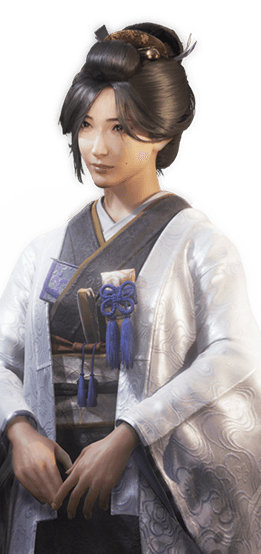
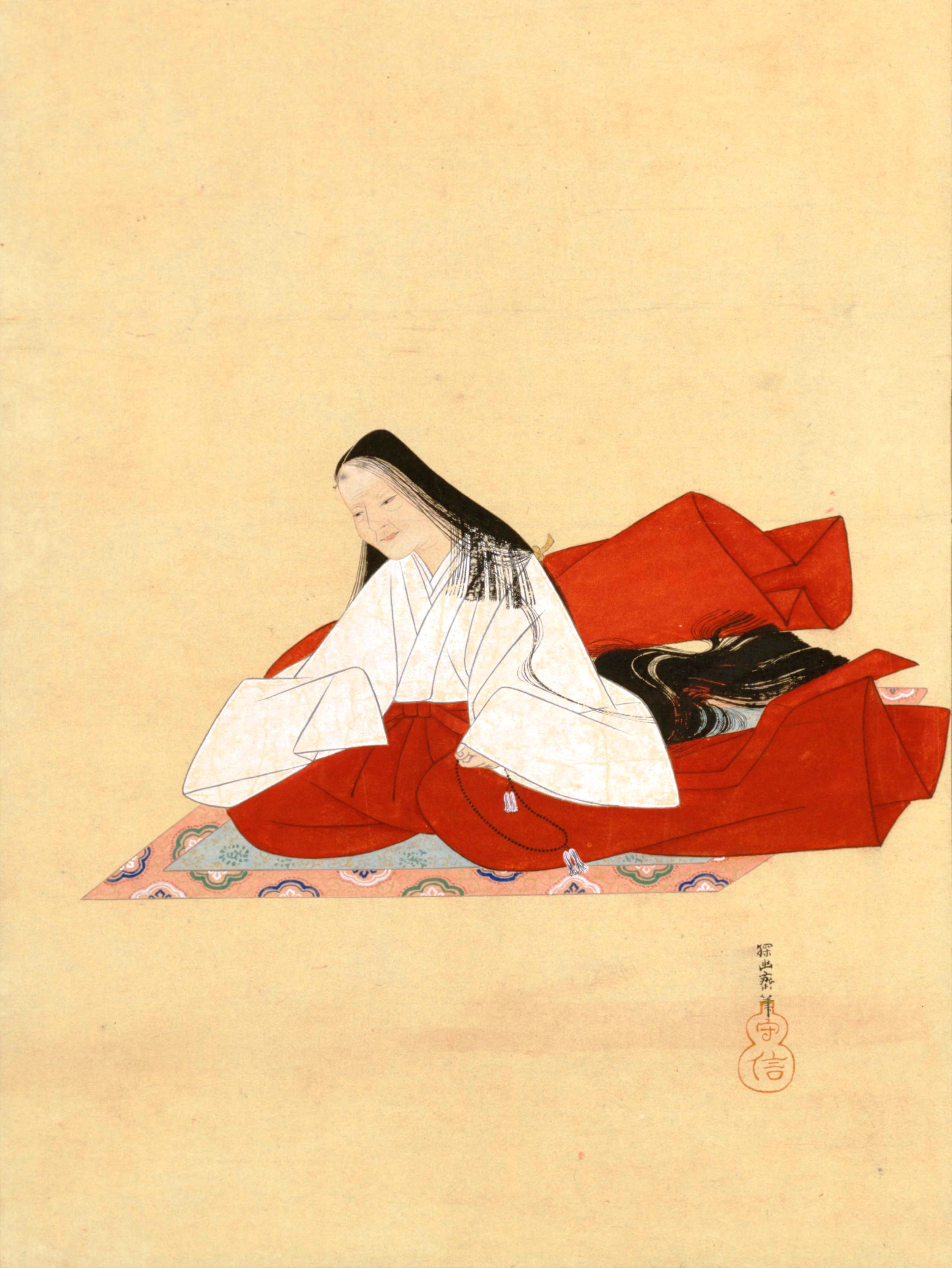
Whatever the truth about her trip to Sunpu, her power later on is on record.
Onmyo Teacher
Takechiyo's wet nurse and Onmyo teacher, killed by Kunimatsu in the prologue. Her spirit waits in the Eternal Rift, the game's hub, to keep teaching you Onmyo magic.
Junior Third Rank, 1629
In 1629, at Hidetada's wish, she travelled to Kyoto to be received by Emperor Go-Mizunoo. She had no court rank, so she was first made the adopted younger sister of a court noble. The emperor gave her the name Kasuga no Tsubone and the Junior Third Rank, at a time when he was furious with the shogunate and threatening to abdicate.
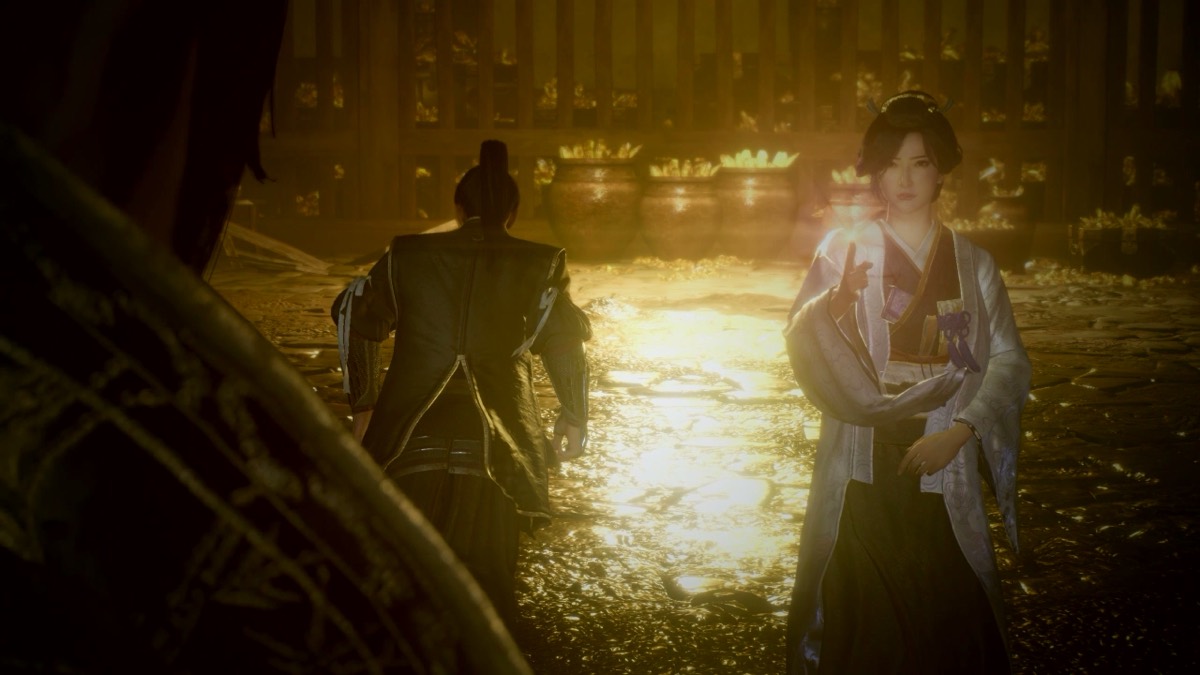
From the late 1620s she ran the Ōoku, the women's quarters of Edo Castle, and is said to have written its rules, and her influence reached Iemitsu and the shogunate itself. She died in 1643, one of the most powerful figures in Edo Castle.