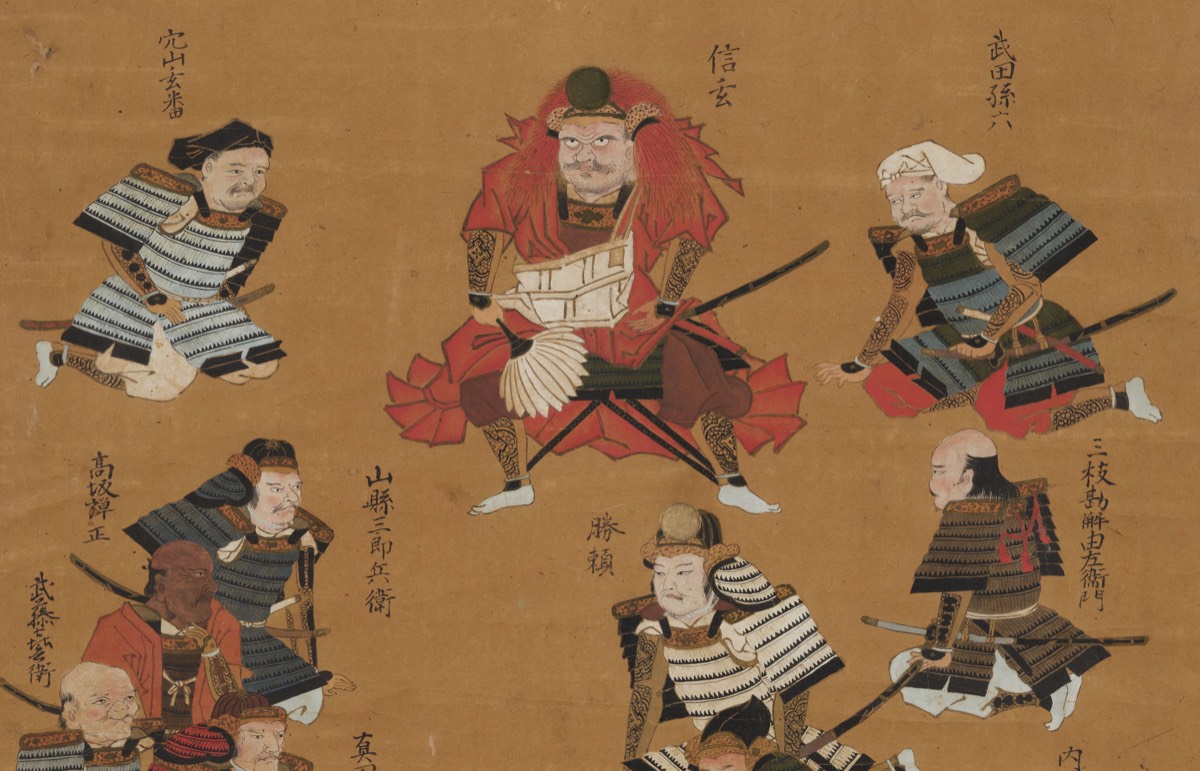
The Takeda Twenty-Four Generals (武田二十四将図), Edo period, Hamamatsu City Museum, Hamamatsu City Cultural Heritage Digital Archive, CC BY 4.0 (cropped)
Takeda Shingen & His Generals甲斐の虎と四天王 · The Tiger and His Four Generals
Watch this chapter (6:48)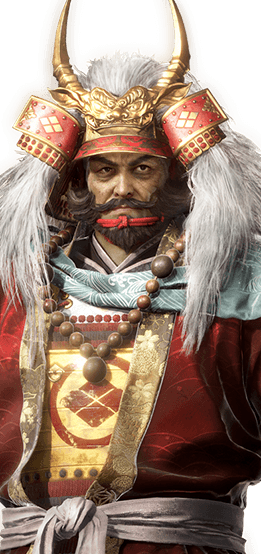
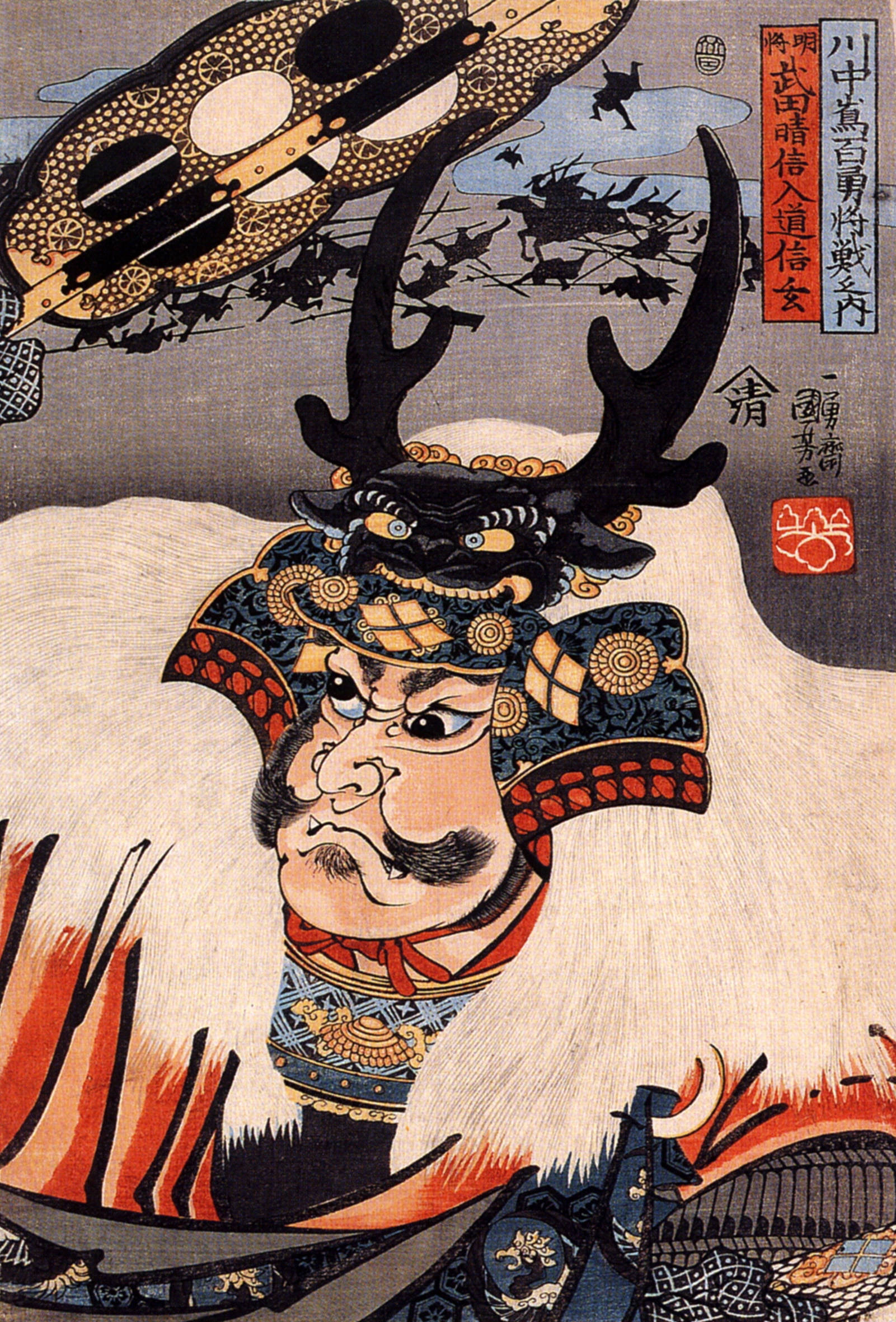
When Kusanagi drops Takechiyo into 1572, he wakes near Hitokoto Slope in Tōtōmi province, in the middle of a Takeda invasion of Tokugawa land. The villain of the whole Sengoku chapter is Takeda Shingen 武田信玄. That's new for the series. In the first Nioh he never appears, and in Nioh 2 he turns up once, as a ghost in a single side mission. Nioh 3 has you fight him twice: in human form at the end of the mission "A Fiery Invasion", inside the Mikatagahara Crucible, and then in "Tiger's Cause" at Saigagake, fused with his lion guardian spirit into a four-armed yokai.
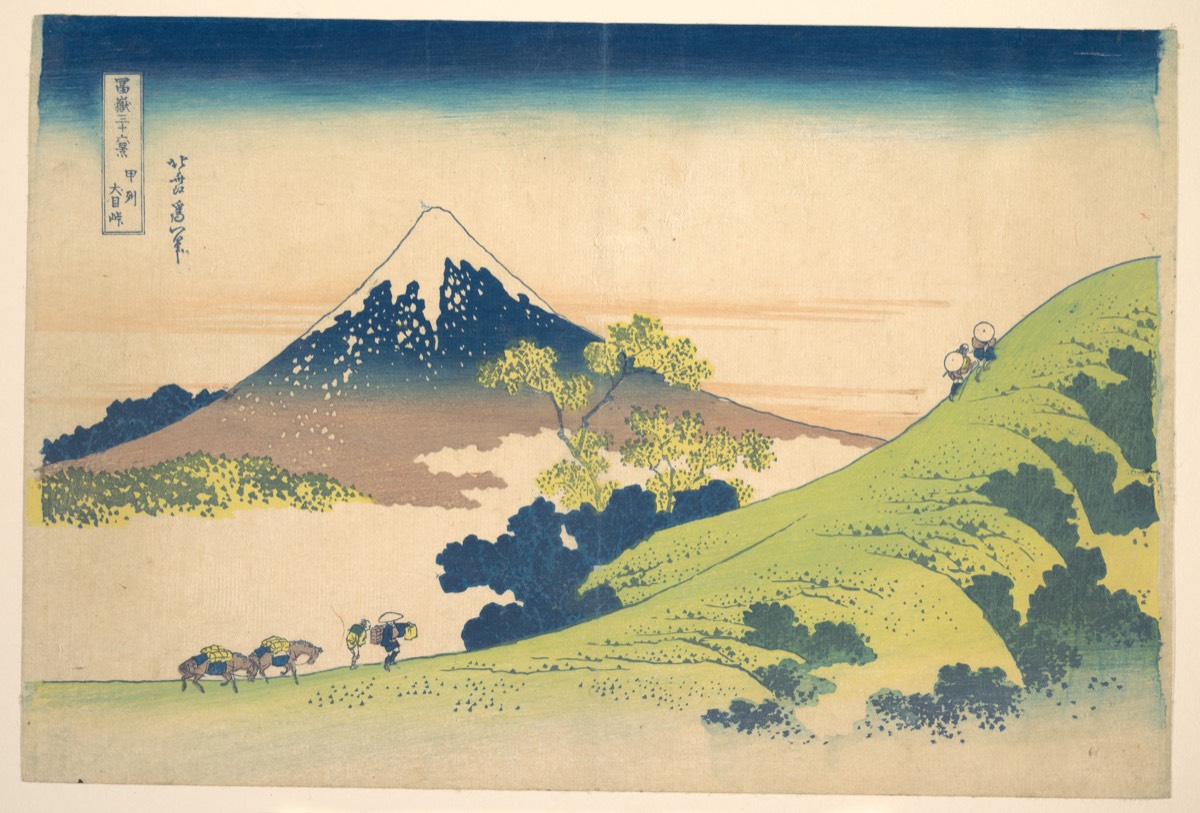
The real Shingen was born in 1521 in Kai province 甲斐国, today's Yamanashi prefecture 山梨県. Kai was a hard place to build power from: landlocked, ringed by mountains and short of rice land, with a basin around Kōfu that flooded again and again. Its great levee, later called the Shingen levee, was largely finished in his time. He built one of the strongest armies in Japan. Its horsemen became a legend, though historians still argue over how far they really fought as massed cavalry.
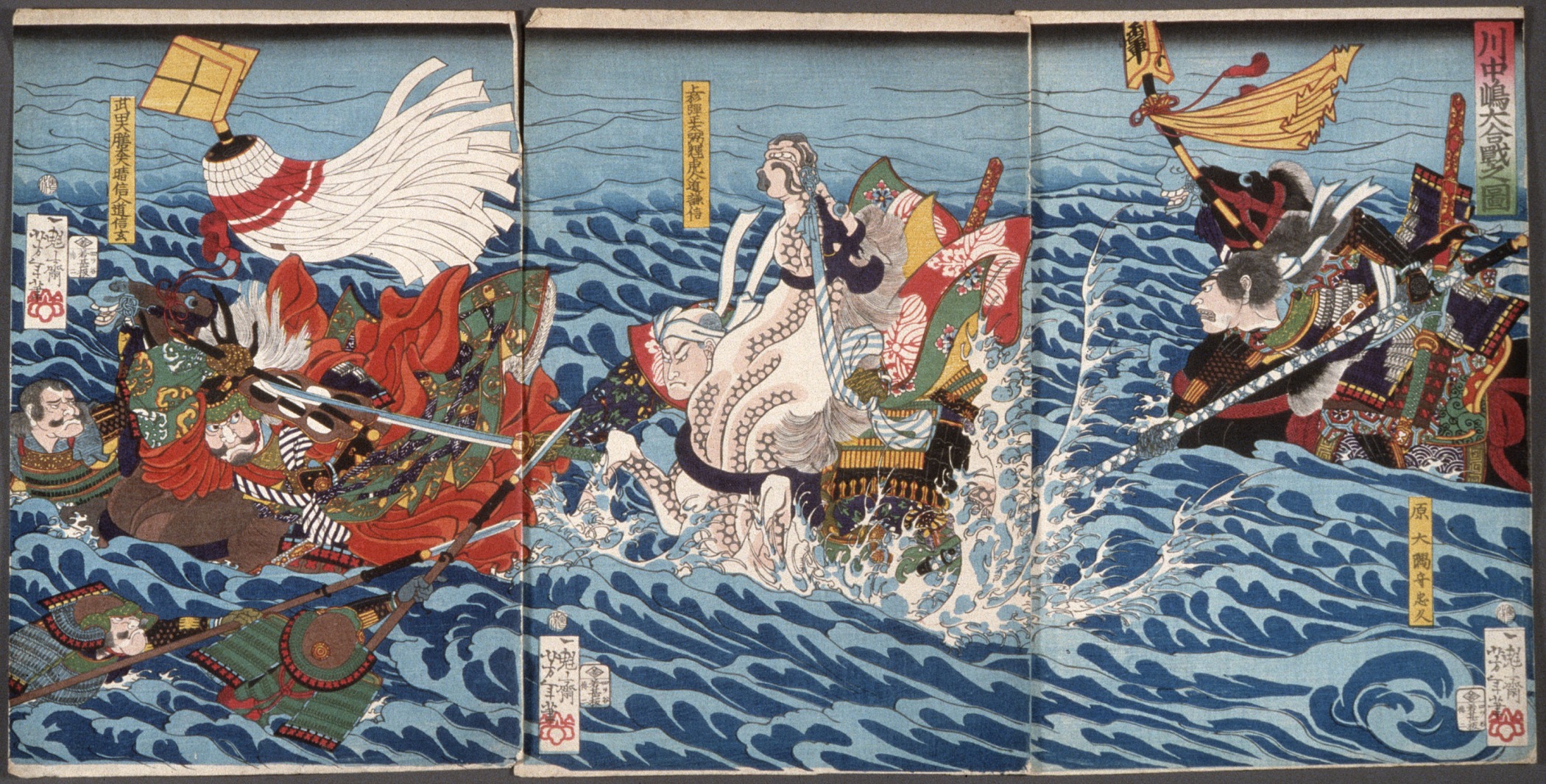
Modern writers call him the Tiger of Kai, 甲斐の虎. His great rival was Uesugi Kenshin 上杉謙信 of Echigo, and the two of them clashed five times at Kawanakajima 川中島 between 1553 and 1564. Only one of those, in 1561, was a full pitched battle, and nobody clearly won it. For Nioh 3, the campaign that matters is the one against Ieyasu.
Shingen leaned on a group of senior generals, and four of them were later remembered as the Takeda Four Heavenly Kings 武田四天王. Nioh 3 uses the same name. Two of them are bosses you have to beat before you ever face Shingen, the other two are optional fights, and once the chapter is over a gauntlet mission throws all four at you back to back, with Shingen waiting at the end.
The Four Heavenly Kings
The first boss of the Sengoku chapter, on Hitokoto Slope, and again at Mikatagahara on a yokai-corrupted horse. The game puts him in command of the Crimson Army, the Takeda's elite cavalry in red armour.
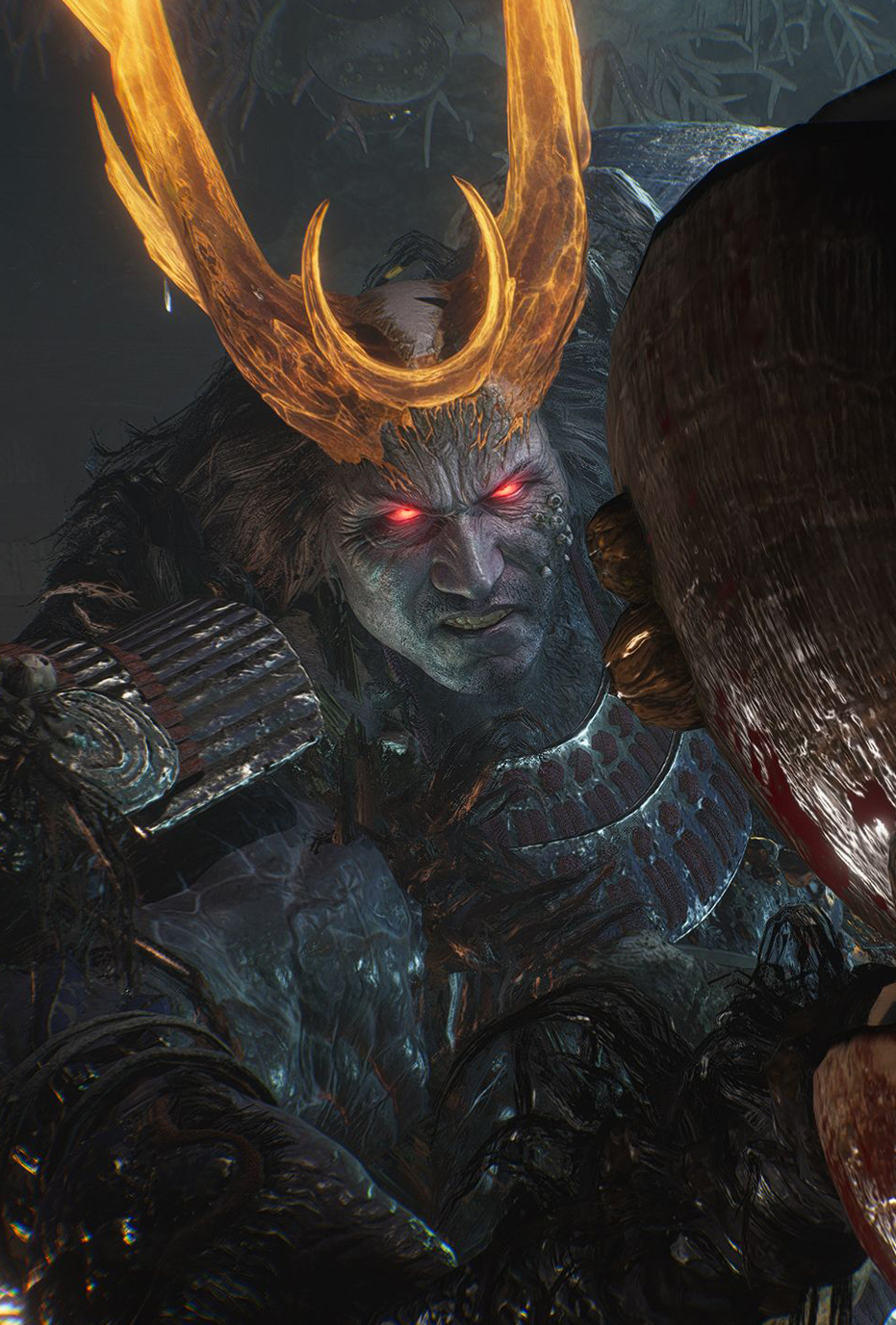
Required · Hitokoto Slope → A Fiery InvasionThe boss of Futamata Castle, a corrupted yokai with an axe who throws mirage copies of himself at you to bait your dodges. Today's storytellers call him Oni Mino, the Demon of Mino, though older sources give that nickname to the general who held the title before him.
Required · Futamata CastleAn optional boss out in the open on the Futamata Road. The Kōyō Gunkan says that serving Shingen and his father he took nine heads, an ordinary tally, so he never received a single letter of commendation. The same chronicle rates his judgement and his handling of troops as equal to Baba's.
Optional · Futamata RoadAn optional boss inside the Mikatagahara Crucible, where Sakai Tadatsugu helps you fight him. The Kōyō Gunkan 甲陽軍鑑 is traditionally credited to him, and most scholars now think it grew out of a memoir he dictated, so a lot of what we know about these four men comes to us through a witness with a side.
Optional · Mikatagahara Crucible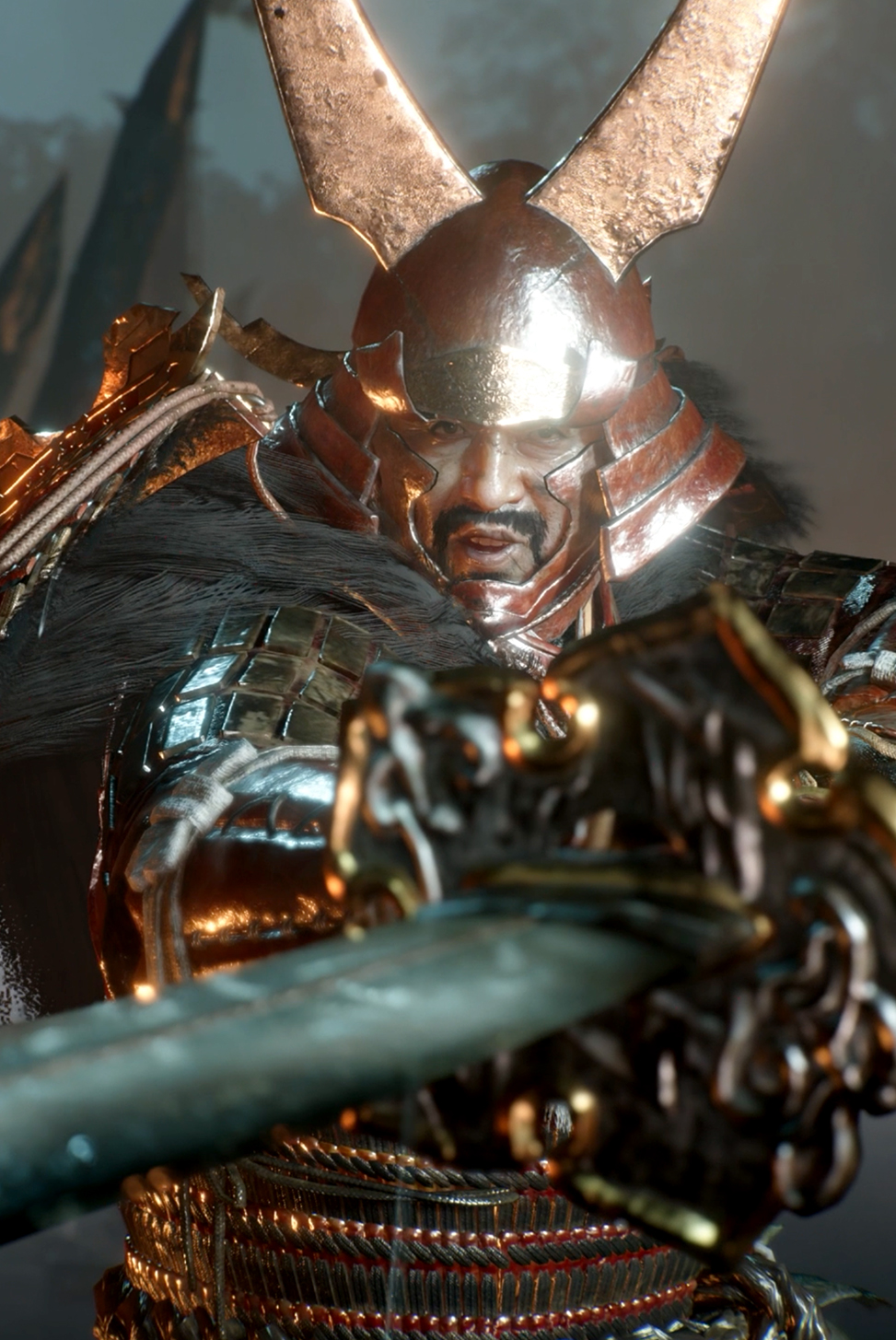
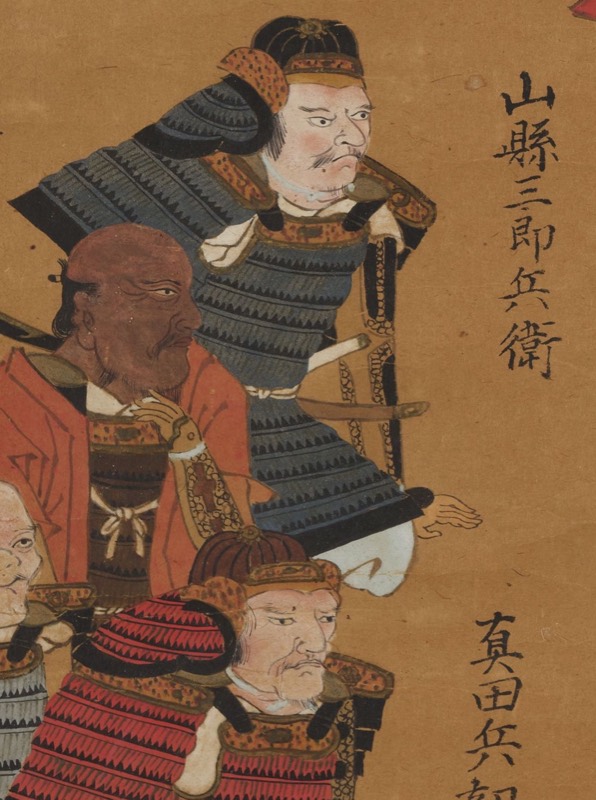
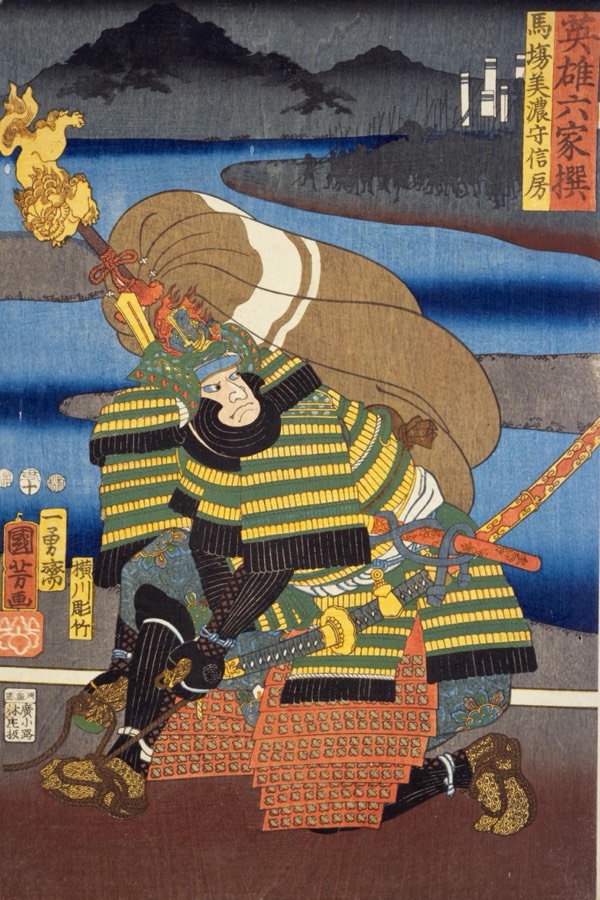
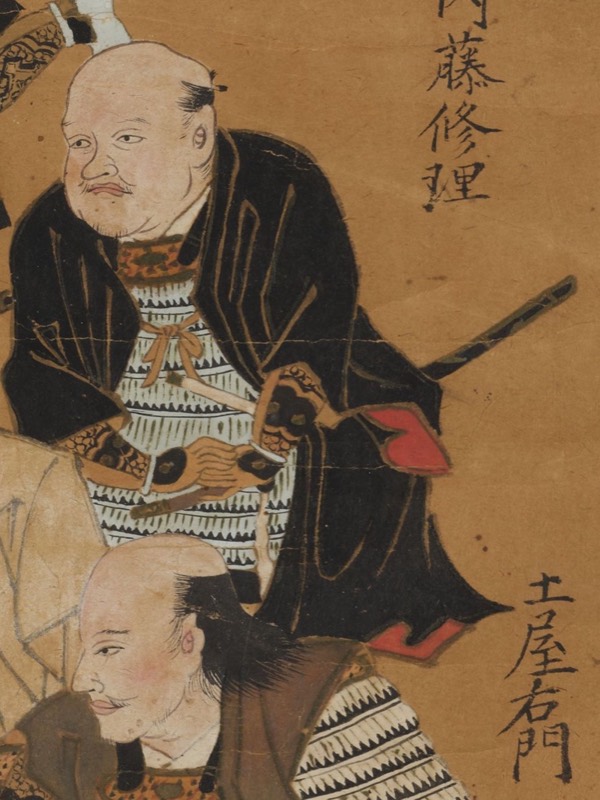
In the Takeda's own chronicle, the red unit belongs first to Yamagata's elder brother, Obu Toramasa, who killed himself in 1565 after he was caught up in a plot by Shingen's eldest son. The younger brother then took the name Yamagata. In the 1572 campaign he brought a second Takeda column through Mikawa to join Shingen, and at Mikatagahara he fought in the front line.
The Kōyō Gunkan makes a striking claim about Baba: in more than forty years of fighting, from his first battle at eighteen to his death at sixty-two, he never took a single wound. The Tokugawa side tells the same story about one of its own, Honda Tadakatsu, and Nioh 3 has you fight beside Tadakatsu for the whole chapter and against Baba at Futamata.
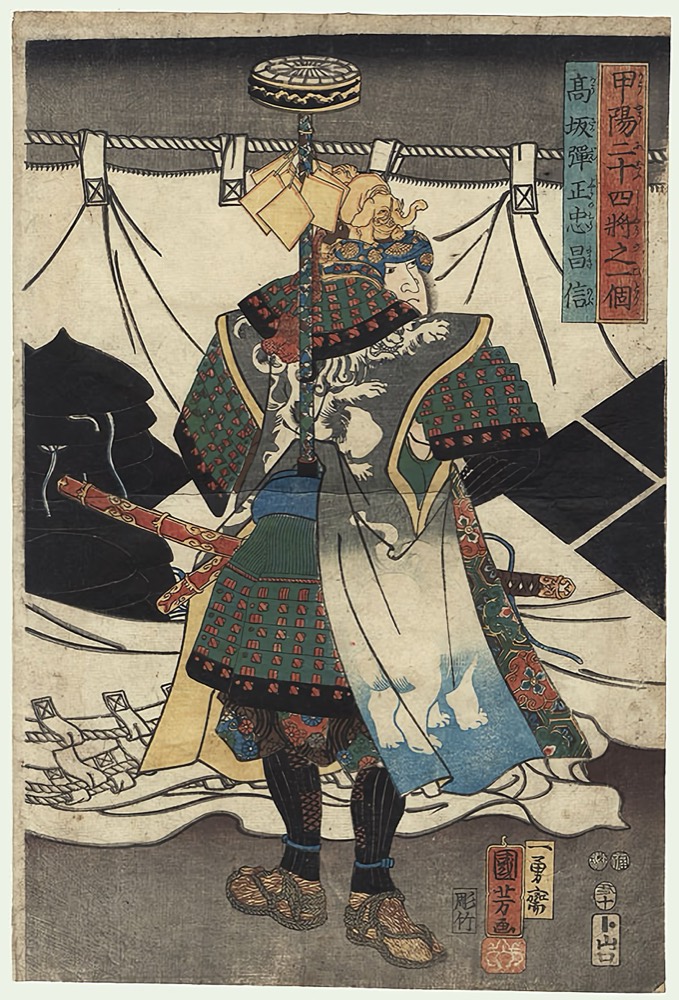
Kōsaka's nickname, Nige Danjō, Danjō the Runner, comes from Kōsaka himself. In the Kōyō Gunkan he says the children used to chant it, pairing him with another Takeda officer, Hoshina, who was Spear Danjō. Later writers turned the joke into praise for a careful general who brought his men home alive. In the chronicle's account of Kawanakajima in 1561, he was one of the commanders sent to attack Uesugi Kenshin's camp on Mount Saijō. They found it empty, crossed the river and fell on the Uesugi army from behind while it was fighting Shingen's main force.